
Working With Heat: A Practical Guide to Protecting Your Hair From Everyday Styling Damage
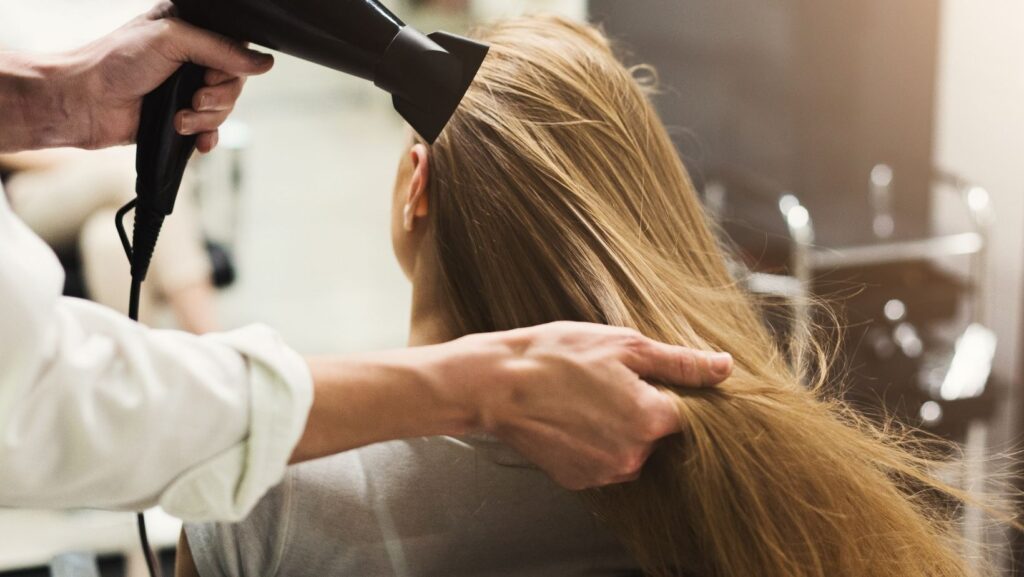
Most people reach for heat tools several times a week—sometimes every single day—without giving much thought to the long-term toll. From hair dryers to straighteners and curling irons, these devices have become as routine as brushing your teeth. Yet repeated heat exposure can quietly erode hair health over months and years, often before the damage becomes obvious. This guide rests on a straightforward premise: “Heat itself is not the enemy; uncontrolled heat is.” The aim isn’t to convince you to abandon your tools—it’s to help you use them more thoughtfully. The information here is educational and is not a substitute for advice from a qualified dermatologist or trichologist.
How Heat Affects Your Hair
Understanding heat damage starts with a basic look at hair structure. Every strand is wrapped in a cuticle—a protective outer layer of overlapping scales—beneath which sits the cortex, the part responsible for strength, elasticity, and pigment. When heat is applied correctly, it temporarily rearranges the hydrogen bonds within the cortex, allowing hair to be reshaped and hold its new form. That’s the mechanism behind heat styling at its most fundamental level.
The trouble starts when temperatures run too high or linger too long. Excessive heat can lift and crack the cuticle, leave the cortex exposed, and drive out internal moisture far too quickly—producing brittle, porous hair that breaks easily and loses its natural luster. Running a tool over the same section repeatedly makes things considerably worse.
Key Takeaway: The higher and longer the heat exposure, the greater the risk of permanent structural damage to hair.
Recognizing the Warning Signs
Heat damage rarely shows up all at once. Instead, it tends to accumulate gradually. Common indicators that your hair may be taking too much heat include:
- A rough or straw-like texture that stubbornly resists conditioning
- Persistent frizz that no longer responds to products the way it once did
- Split ends and breakage occurring mid-shaft rather than at the tips
- Loss of your natural curl or wave pattern
- Dullness that lingers even after using nourishing treatments
These symptoms can also stem from chemical processing or sun exposure, so heat styling is rarely the only culprit—but it’s frequently a significant one. If you notice sudden or severe shedding, scalp discomfort, or dramatic breakage, that’s a signal to consult a professional stylist, dermatologist, or trichologist rather than trying to troubleshoot on your own.
Setting Safer Heat Boundaries
One of the most impactful adjustments you can make costs nothing: start lower. Fine or already-compromised hair benefits most from gentler settings, while coarse hair may handle moderate heat—but even so, preparation and technique matter far more than cranking up the temperature. More heat doesn’t reliably mean better results; a well-executed routine at a sensible temperature consistently outperforms a hasty one at maximum heat.
A few principles worth building into your habits:
- Begin with the lowest effective temperature for your hair type and work up only if needed
- Limit the number of passes over any single section
- Avoid stacking multiple hot tools on the same section in one session
When shopping for tools, prioritize adjustable temperature controls and even heat distribution over raw maximum output.
Building a Heat-Conscious Routine
Most people lose ground before the tool even touches their hair. Gently towel-drying first, using a conditioner to improve manageability, and applying a heat protectant—which forms a protective film over the hair shaft and slows moisture loss—can meaningfully reduce cumulative damage over time.
Tip: Let hair air-dry until at least damp before blow-drying to cut down on total heat exposure time.
Spacing out heat styling throughout the week, alternating with air-dry days and protective styles, gives hair a chance to recover between sessions. Regular trims catch split ends before they migrate up the shaft, and the occasional deep conditioning treatment builds resilience where it matters most.
Adapting to Your Hair Type
Fine hair calls for the lightest heat and minimal product weight. Medium hair benefits most from consistent technique and dependable protection. Coarse or coily hair, though often more heat-tolerant on paper, is also more susceptible to breakage—it gains the most from thorough moisture preparation and gentle stretching at moderate temperatures. One point worth emphasizing: hair condition can matter more than natural thickness alone. Damaged hair of any type warrants a more conservative approach, regardless of how robust it once felt.
A Smarter Relationship With Heat
The real goal isn’t a flawless blowout every morning—it’s hair that stays strong, resilient, and responsive for years to come. Take an honest look at your current habits: how often are you applying heat, at what settings, and with what preparation? Making one or two small, sustainable changes this week will serve you far better than attempting a complete overhaul all at once. And for any persistent scalp or hair concerns, there’s no substitute for qualified professional guidance.
About Author

 Payment for Order Flow
  AI Film maker: Turn One Idea Into a Finished Short Film
  Best Turnkey iGaming Solutions for Operators