
Prescription GLP-1 Weight Loss Online: How the Telehealth Prescribing Pathway Actually Works
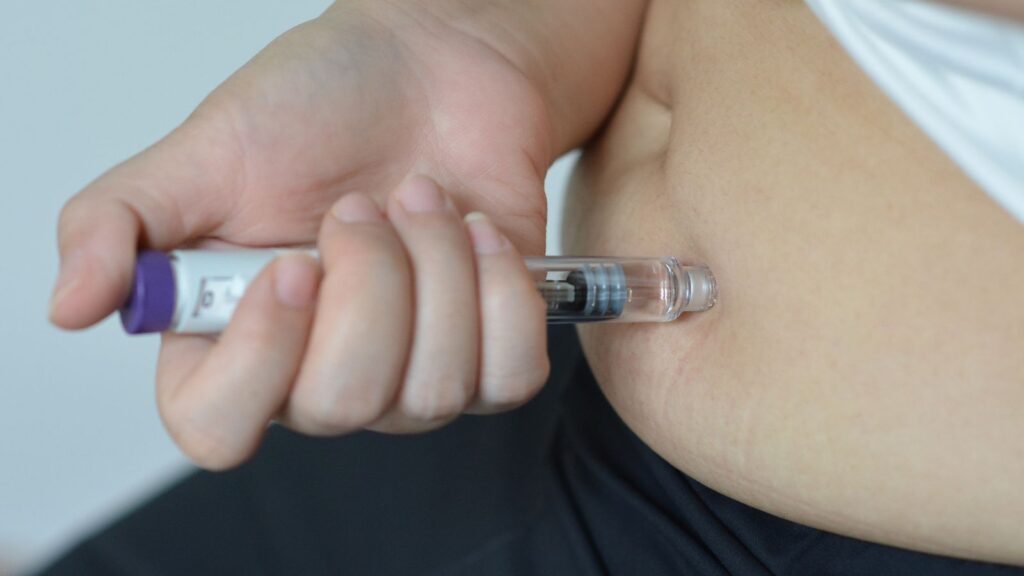
A few years ago, getting a prescription for a GLP-1 medication for weight management meant scheduling an in-person appointment with a primary care physician or an obesity medicine specialist, navigating insurance pre-authorisation, and often waiting months to begin treatment. That pathway still exists, but it is no longer the only one. Telehealth platforms now handle a meaningful share of GLP-1 prescribing for weight management, and the market has matured to the point where consumers face a genuine question of judgement rather than access: not whether they can get a prescription online, but whether the program they choose is doing real clinical work or simply running a checkout flow with a clinician’s signature attached.
That question matters. A 2025 survey from the ASOP Foundation found that 25% of people with experience taking a GLP-1 had purchased the medication online, with 50% of those buyers using an online telehealth prescription service and 82% receiving the medication through an online home-delivery pharmacy. The same survey reported that 40% of online GLP-1 purchasers said they had received substandard or counterfeit prescription medicines, or had been harmed by prescription medicines purchased online. The market is large, growing, and uneven.
What Online GLP-1 Prescribing Actually Involves
For weight management, the two GLP-1 medications with the most clinical attention are semaglutide (sold as Wegovy for chronic weight management) and tirzepatide, a dual GIP and GLP-1 receptor agonist sold as Zepbound. Neither is a controlled substance, which means the federal regulatory framework that governs online prescribing of, for example, ADHD stimulants or opioids does not apply in the same way. The DEA’s telehealth controlled-substances rules are not the central question; the central question is whether the prescribing clinician holds an active licence in the patient’s state and whether the platform is conducting a substantive medical evaluation.
A legitimate online prescribing pathway therefore tends to look roughly like this: a patient completes a detailed intake covering medical history, current medications, weight history and goals, and any conditions or symptoms relevant to GLP-1 safety. A licensed clinician — usually a physician, nurse practitioner, or physician assistant — reviews the intake and either conducts a synchronous video or phone consultation or, in some platforms, an asynchronous review with the ability to request additional information before issuing a prescription. The prescription is sent to a partner pharmacy, which dispenses either an FDA-approved branded product or, in some programs, a compounded formulation produced by an FDA-registered compounding pharmacy.
The Eligibility Screen: What a Real Clinical Review Should Cover
The FDA prescribing information for the GLP-1 weight management indication generally requires either a BMI of 30 or above, or a BMI of 27 or above with at least one weight-related comorbidity such as hypertension, type 2 diabetes, or dyslipidemia. Any program that prescribes outside those parameters without a documented clinical justification is operating in a grey zone that patients should be aware of.
Beyond BMI, a credible clinical screen will cover a range of contraindications and precautions. The semaglutide and tirzepatide prescribing labels both carry a boxed warning regarding thyroid C-cell tumour risk based on rodent studies; both are contraindicated in patients with a personal or family history of medullary thyroid carcinoma or in patients with multiple endocrine neoplasia syndrome type 2. A history of pancreatitis, significant gastroparesis or other GI motility disorders, current pregnancy or breastfeeding, and prior hypersensitivity reactions to the drug class are all standard items to screen for. A clinician should also review current medications for interactions and ask about a patient’s tolerance for the gastrointestinal side effects that are common during dose escalation.
None of this requires an in-person visit. It does require enough clinical bandwidth on the platform’s side to actually do the work, rather than a five-minute questionnaire feeding into an automated approval.
The Regulatory Backdrop for Compounded GLP-1 Medications
One of the things that has made online GLP-1 prescribing especially fast-moving is the role of compounded medications. When branded GLP-1 products have appeared on the FDA’s drug shortage list, FDA-registered 503A and 503B compounding pharmacies have been able to produce compounded versions, which telehealth platforms have used to offer access at substantially lower price points than the list prices of Wegovy or Zepbound.
The 2025 ASOP Foundation survey found that 74% of online GLP-1 purchasers reported buying compounded GLP-1 receptor agonists online. That number reflects how central compounded supply has become to the affordability story. It also reflects a moving regulatory target: the FDA’s posture toward compounded GLP-1 medications has shifted as shortage designations have changed, and the legal status of specific compounded formulations is best treated as something to discuss directly with the prescribing clinician at the time of prescribing rather than as a settled question.
Patients evaluating compounded GLP-1 programs should look for clear disclosure of which compounding pharmacy is being used, whether the active pharmaceutical ingredient is sourced from an FDA-registered facility, and what protocols are in place for adverse-event reporting and product recalls. These are not exotic questions; legitimate programs answer them in writing on their websites or in their intake materials.
Where TrimRx Fits in the Online Prescribing Landscape
TrimRx structures its program around physician-supervised prescribing with transparent all-inclusive monthly pricing. Patients complete a comprehensive intake, then connect with a licensed clinician who reviews the medical history and conducts a consultation before issuing any prescription. The program offers compounded semaglutide and compounded tirzepatide through FDA-registered partner pharmacies, alongside oral GLP-1 options, which gives the prescribing clinician a wider menu of choices than some platforms that effectively prescribe only one medication.
Two structural features distinguish the TrimRx weight loss program from a more minimal prescribe-and-ship model. The first is that follow-up appointments are bundled into the monthly cost rather than billed separately, which removes the financial friction that often causes patients to skip clinical touchpoints during the difficult initial titration weeks. The second is that pricing is held flat across dose levels as the prescribing clinician titrates upward, which means a patient moving from a starting dose to a therapeutic dose is not penalised financially for following the clinical protocol. These are program design choices rather than marketing claims, and they are visible to anyone comparing platforms on the basis of their published pricing.
What Distinguishes a Credible Program From a Prescription Mill
Industry observers and clinicians who comment on the online prescribing landscape tend to converge on a similar set of distinguishing markers. A credible online GLP-1 prescribing program typically demonstrates real medical evaluation before prescribing, uses licensed clinicians whose credentials and licensure states can be verified, partners with legitimate pharmacies whose accreditation is visible, prescribes FDA-approved medications when appropriate, and builds structured follow-up into the program rather than treating the initial prescription as the end of the clinical relationship.
The contrasting pattern is what some have described as the prescription mill model: rapid approval after a minimal questionnaire with little or no clinician interaction, opaque pharmacy sourcing, heavy reliance on compounded products without a clinical justification for compounding rather than dispensing FDA-approved branded medication, no follow-up infrastructure beyond billing, and marketing that emphasises convenience and speed over clinical depth. The ASOP Foundation survey’s finding that 40% of online GLP-1 purchasers had experienced substandard or counterfeit medication is the consumer-protection consequence of that pattern at scale.
For patients comparing options, a short evaluation framework can help:
- Does the program include a live consultation with a licensed clinician, or only an asynchronous questionnaire?
- Is the clinician’s licensure in the patient’s state clearly stated?
- Does the intake screen for the standard contraindications and drug interactions, not just BMI eligibility?
- If compounded medications are offered, is the compounding pharmacy identified and appropriately accredited?
- Are follow-up visits included in the monthly cost, and how frequently are they offered?
- Is pricing transparent and inclusive of medication, supplies, and follow-up, or are there additional fees at each touchpoint?
- Is there a documented protocol for managing adverse events and a clear channel for reaching a clinician between scheduled visits?
The Role of Follow-Up in Online Prescribing
GLP-1 therapy for weight management is not a single-prescription intervention. Both semaglutide and tirzepatide are initiated at low doses and titrated upward over weeks to months, with clinical monitoring intended to balance therapeutic effect against gastrointestinal tolerability and other side effects. Discontinuation rates in real-world data are meaningfully higher than in controlled trials, and a substantial portion of discontinuation is driven by side effects during the titration period.
This is the clinical reason that follow-up infrastructure matters. A patient who experiences difficult gastrointestinal symptoms during a dose increase, and who has no accessible clinical guidance, is far more likely to discontinue treatment than a patient who can message a clinician, pause titration, or step down a dose under medical supervision. Programs that build that infrastructure into their design — through bundled follow-up visits, asynchronous messaging with clinicians, and clear escalation protocols for adverse events — are doing something clinically substantive, not just marketing convenience.
What the Evolving Coverage Landscape Means for Online Prescribing
The cost picture for GLP-1 weight management is shifting. List prices for branded Wegovy and Zepbound have remained out of reach for most uninsured patients, and only a minority of employer health plans have included GLP-1 coverage for weight loss as of 2025. Manufacturer direct-to-patient cash pay programs have lowered prices for some patients, and compounded alternatives have provided a parallel access route during shortage periods.
Patients should expect the cash-pay versus insurance question to keep moving over the coming years, both at the federal coverage level and in employer benefit design. For online prescribing programs, this means program structure and clinical quality remain the durable points of comparison; pricing models specific to particular medications or coverage routes are likely to change.
The Bottom Line
Online GLP-1 prescribing has matured to the point where the access argument is largely settled: for patients who are clinically eligible, a remote prescribing pathway exists in essentially every US state. The remaining question is one of clinical quality. The distance between a program built around real medical evaluation, transparent pharmacy sourcing, and structured follow-up and a program built primarily around fast approval and shipping is wide, even when the marketing pages look similar. For patients, the work of distinguishing the two has shifted from regulators and insurers to the consumer, and the evaluation framework above is a reasonable starting point.
No single program fits every patient. Medical history, medication preference, budget, and the ability to engage with follow-up all shape the right choice. What the evidence supports consistently is that the clinical program surrounding the prescription matters at least as much as the prescription itself.
About Author

 Why Digital Nomads Are Abandoning Physical SIMs for International Roaming
Alternatives
Why Digital Nomads Are Abandoning Physical SIMs for International Roaming
Alternatives  TheHealthyPrimate: How Primate Habits Can Supercharge Your Health in 2026
  NotInTheKitchenAnymore: How To Stop Cooking Every Night, Eat Better, And Reclaim Your Time (2026 Guide)