
The Shipment That Turns an Ordinary Highway Into a Moving Puzzle
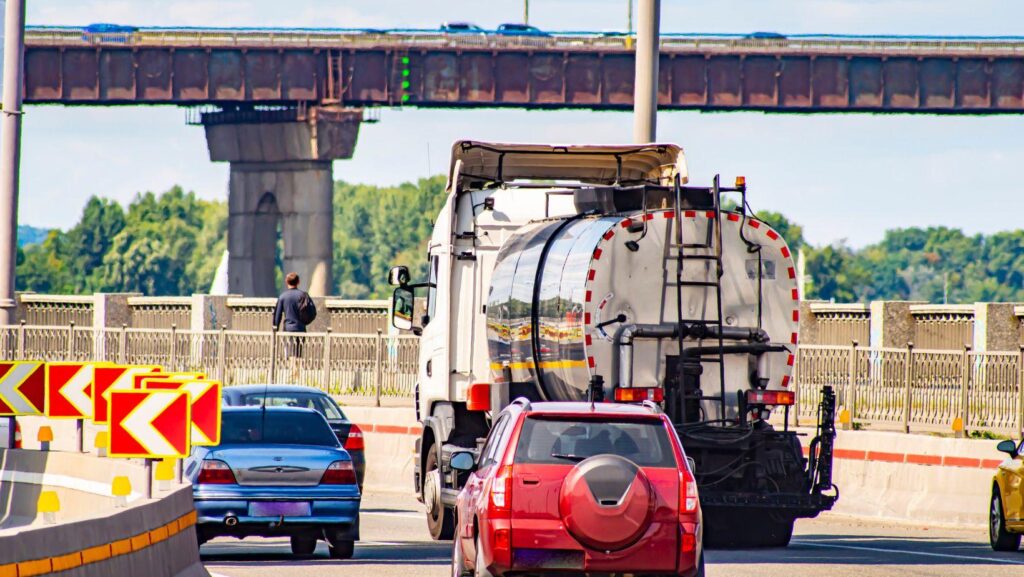
Most trucks blend seamlessly into ordinary highway traffic, moving through the same lanes and following the same basic rules as every other vehicle on the road. Every so often, though, cargo comes along that simply doesn’t fit within those ordinary parameters.
When that happens, a routine highway trip transforms into something considerably more coordinated, involving carefully planned routes, dedicated escort vehicles, specific permits, and specialized equipment all working together to move cargo that exceeds standard dimensions or weight limits safely.
That transformation is exactly what makes understanding oversize load accidents worthwhile, since the planning and coordination required to safely move large cargo introduces genuinely distinct considerations compared to ordinary trucking operations.
The Cargo Changes What Roads Are Usable
Once cargo exceeds standard dimensions, not every road remains a viable option for transport. Bridge height becomes a genuine constraint for particularly tall loads, while lane width matters considerably for cargo extending beyond typical vehicle boundaries on either side.
Weight limits on certain roads or bridges can eliminate otherwise convenient routes entirely, requiring careful planning around alternative paths capable of safely supporting the load. Sharp turns present their own challenges too, particularly for extremely long cargo requiring considerable turning radius.
Overhead utilities introduce additional risk for tall loads, while active construction zones can further narrow available routing options. All these factors combine to mean oversized cargo often can’t simply follow the most direct or convenient path to its destination.
Other Drivers May Not Realize How Much Space Is Needed
Passenger vehicle drivers sharing the road with an oversized load don’t always fully appreciate how much additional space these vehicles actually require. Wide turns can extend considerably further than drivers might expect from a typical commercial truck under normal circumstances.
Lane encroachment sometimes becomes necessary too, particularly through tight turns or narrow sections of roadway, meaning nearby vehicles need to allow considerably more room than they might instinctively provide based on typical trucking experience alone.
Braking distance and blind spots both increase with oversized loads as well, while passing an oversized vehicle carries additional risk given its extended length and width. Understanding these expanded space requirements matters considerably for anyone sharing the road nearby.
Escort Vehicles Help Manage the Moving Puzzle
Pilot cars, commonly known as escort vehicles, play a significant role in safely coordinating oversized load transport. These vehicles typically travel ahead of or behind the load, providing advance warning to other drivers and helping manage traffic flow around the oversized cargo.
Communication between escort vehicles and the truck itself helps coordinate lane changes, turns, and other maneuvers that require careful timing given the load’s unusual dimensions. Route control becomes considerably easier with this additional coordination working alongside the primary vehicle.
Traffic coordination benefits significantly from this escort presence too, since advance warning helps surrounding drivers adjust their behavior appropriately before actually encountering the oversized load directly, reducing the element of surprise that might otherwise increase risk considerably.
One Planning Error Can Affect the Entire Trip
Given how much careful coordination oversized load transport actually requires, a single planning error can create significant complications throughout an entire trip. Route surveys need to accurately confirm that bridges, clearances, and turns can genuinely accommodate the specific load involved.
Permits must align correctly with the planned route and timing, while proper securement and weight distribution remain essential throughout the entire journey, not simply during the initial loading process before departure from the origin point.
Timing and equipment requirements need careful attention too, since mismatches between planned scheduling and actual road conditions can create unexpected complications. These combined requirements illustrate why thorough upfront planning matters so significantly for oversized cargo transport.
Conclusion
Safely moving oversized cargo requires the road, the truck, the load, and everyone traveling nearby to work together effectively, since success depends on considerably more coordination than typical trucking operations involving standard-sized cargo ever require.
Understanding how bridge clearances, escort coordination, and careful planning all interact helps explain why oversized transport represents such a genuinely different operation compared to ordinary highway trucking, despite superficially resembling standard commercial vehicle traffic.
Recognizing the complexity behind these operations helps clarify why careful planning matters so significantly, both for the safety of the load itself and for everyone else sharing the road throughout the entire journey.
About Author

 What Happens in the 300 Milliseconds Between “Spin” and the Result
  Payment for Order Flow
  AI Film maker: Turn One Idea Into a Finished Short Film