
APIs Unlock Online Gambling’s Future in 2026: Blockchain Transforms Trust

You log into your favorite betting platform and watch odds shift seamlessly during a live match. Behind that instant thrill? APIs powering real-time feeds and securing your account, while blockchain smart contracts and NFTs add verifiable fairness. In 2026, these technologies converge to reshape online gambling. Here’s how platform operators—and developers—can harness these integrations for growth in a surging market.
A Toronto developer leans over her screen at midnight, weaving an odds API into a sleek Next.js framework. Live data floods in from bookmakers worldwide, transforming static pages into dynamic betting hubs for a hockey showdown.
This scenario captures 2026’s online gambling landscape, where APIs anchor everything from swift updates to comprehensive security, much like live interactive platforms such as Ice Fishing Live, which depend on real-time data flows to deliver seamless user experiences.
Engagement soars on platforms built for speed, yet lingering doubts about rigged outcomes persist. Blockchain steps in with smart contracts and NFTs, ushering in transparency that rebuilds confidence. Markets balloon as these innovations converge, reshaping how bets get placed and verified.
Real-Time APIs Drive Live Betting Growth
Live betting draws players in as matches progress, with APIs supplying the rapid updates that turn passive viewing into active participation. Genius Sports explains how premium APIs capture data directly from venues, trimming lags from traditional TV sources by as much as 10 seconds. This precision heightens in-play efficiency and earnings while thwarting latency arbitrage, where savvy users exploit outdated information.
The Speed Advantage
Their odds feeds API supports more than 300 sportsbooks, delivering pre-match and betbuilder capabilities with reliable, official streams. Modern odds APIs typically deliver data via RESTful endpoints or WebSocket streams, returning JSON-formatted responses that developers can parse in milliseconds. Mordor Intelligence reports that live and in-play segments command 53.40 percent of the market in 2025, accelerating at a 14.85 percent CAGR into 2031. These APIs facilitate intricate micro-markets and elevate wager rates across events.
Symphony Solutions notes that providers like Sportradar streamline immediate data delivery, contributing to Europe’s sports betting expansion at 9.6 percent CAGR through 2033. Developers design adaptive interfaces that ensure smooth experiences during high-stakes moments. Platforms often feature attractions like free spins no deposit to entice beginners experimenting with API-enhanced games, where uninterrupted data maintains momentum and heightens appeal.
AI Integration and Predictions
Data analytics predict user preferences and suggest tailored markets, processing thousands of variables in seconds during major tournaments to reflect real-world shifts like injuries or weather changes. This responsiveness revolutionizes bookmaker competition and pushes smaller platforms to adopt similar technology or risk obsolescence. APIs learn from patterns to preempt market swings, setting the stage for secure user management.
But speed means nothing without robust account security—a challenge the next generation of APIs addresses head-on.
Player Account APIs Build Digital Trust
While real-time odds drive engagement, none of it matters without secure, seamless account management. White Label Coders catalogs vital iGaming APIs for transactions and compliance, emphasizing WebSockets that maintain continuous connections for prompt balance notifications without page reloads. As they explain, “iGaming APIs are the essential connectors that enable modern gaming platforms to integrate… real-time data feeds.”
Protection and Privacy
Player APIs incorporate multi-factor authentication protocols, drawing from biometric data or device fingerprints to verify identities. In regions with strict privacy laws, these integrations ensure compliance with standards such as PIPEDA while blending security with user convenience. Understanding secure data handling—like this Instagram story download tutorial—reflects protective frameworks deployed in betting accounts.
Developers layer in features like session timeouts or geolocation checks to prevent unauthorized access. As platforms globalize, APIs handle currency conversions and localized interfaces seamlessly, reducing friction for international users. These APIs also integrate payment gateways—from traditional processors like Stripe to cryptocurrency wallets—enabling seamless deposits and withdrawals across global markets. Analytics from account APIs inform retention campaigns by identifying drop-off points and optimizing onboarding flows.
The result is a more intuitive ecosystem where trust stems not just from wins but from consistent, protected experiences. How secure is your current account infrastructure against evolving threats? The answer may determine your platform’s survival.
Speed and security mean little if platforms can’t protect users from exploitation.

Risk Management APIs Guard Operations
Constant perils confront platforms, but APIs automate protections that underpin safe engagement. Symphony Solutions positions APIs as core conduits defending against manipulative exploits, noting that real-time integration has become the backbone of secure betting operations. These systems must balance thousands of simultaneous wagers while detecting patterns that signal fraud or problem gambling.
The Massachusetts Gaming Commission’s research illustrates how AI generates up to 1,500 micro-opportunities per tennis event, necessitating vigilant technology to harmonize excitement with caution. Risk APIs monitor behavioral markers in real time, triggering interventions like cooling-off periods when patterns suggest harmful play. Advanced systems employ machine learning models like Random Forest or neural networks to detect patterns across millions of bets, flagging suspicious activity with 95%+ accuracy.
Real-Time Liability Management
Risk APIs often simulate scenarios using historical data to forecast potential losses and adjust limits accordingly. In high-volume periods like major sports finals, these tools scale computations to handle surges without downtime. Operators benefit from dashboards that visualize liabilities in real time, enabling quick interventions.
Integration with external threat intelligence feeds bolsters defenses against emerging fraud tactics such as account takeovers. This proactive stance ensures regulatory compliance and enhances reputation, drawing risk-averse players. As blockchain enters the fray, risk APIs increasingly interface with on-chain verifications to create hybrid safeguards.
Traditional APIs provide security, but blockchain technology takes trust to an entirely new level through immutable, transparent record-keeping.
Smart Contracts Ensure Verifiable Fairness
A spin activates, its result openly auditable via blockchain. Smart contracts enable this assurance. Big Data and Cognitive Computing’s study unveils how these autonomous scripts amplify traceability in gaming, propelling blockchain gaming from $8.5 billion in 2023 toward $314.3 billion by 2030. They remove hidden mechanisms and permanently mark transactions.
Industry analyses, including Deloitte’s sports industry outlook highlights how emerging technologies like smart contracts enable immersive, seamless experiences through verifiable transparency. This shift from centralized trust to cryptographic proof represents a fundamental change in how platforms establish credibility.
How They Work
Smart contracts automate dispute resolutions, executing refunds or adjustments based on predefined conditions without human bias. In decentralized casinos, they randomize outcomes using verifiable random functions, letting players confirm fairness post-game.
Chainwire’s analysis on blockchain’s role in reshaping online gambling emphasizes how smart contract technology facilitates automated and verifiable gaming mechanisms, ensuring game outcomes are determined through pre-defined code rather than centralized control. This shift from centralized trust to cryptographic proof represents a fundamental change in how platforms establish credibility, enabling immersive, seamless experiences with provably fair transparency.
Developers leverage platforms like Ethereum or Solana, where gas efficiency becomes key for high-throughput betting. Case studies from emerging markets show reduced overheads as contracts handle payouts instantly and cut intermediary fees. Standards like ERC-721 for NFTs intersect with APIs, enabling cross-platform verifiability.
Developer Tutorial: Building with APIs
For developers looking to implement these concepts, this tutorial demonstrates building a betting platform using The Odds API:
The guide showcases API simplicity. Sixteen minutes in, the developer notes, “This API actually seems to be the one that most betting sites are using and it’s really really simple to start using if you’re new to APIs and stuff.” The tutorial then demonstrates: “We created a function, a working bet page where you fetch API stuff that is actually real… and we did this in like no time.”
While smart contracts ensure fairness in outcomes, NFTs take player engagement further by converting wins into tradable assets.
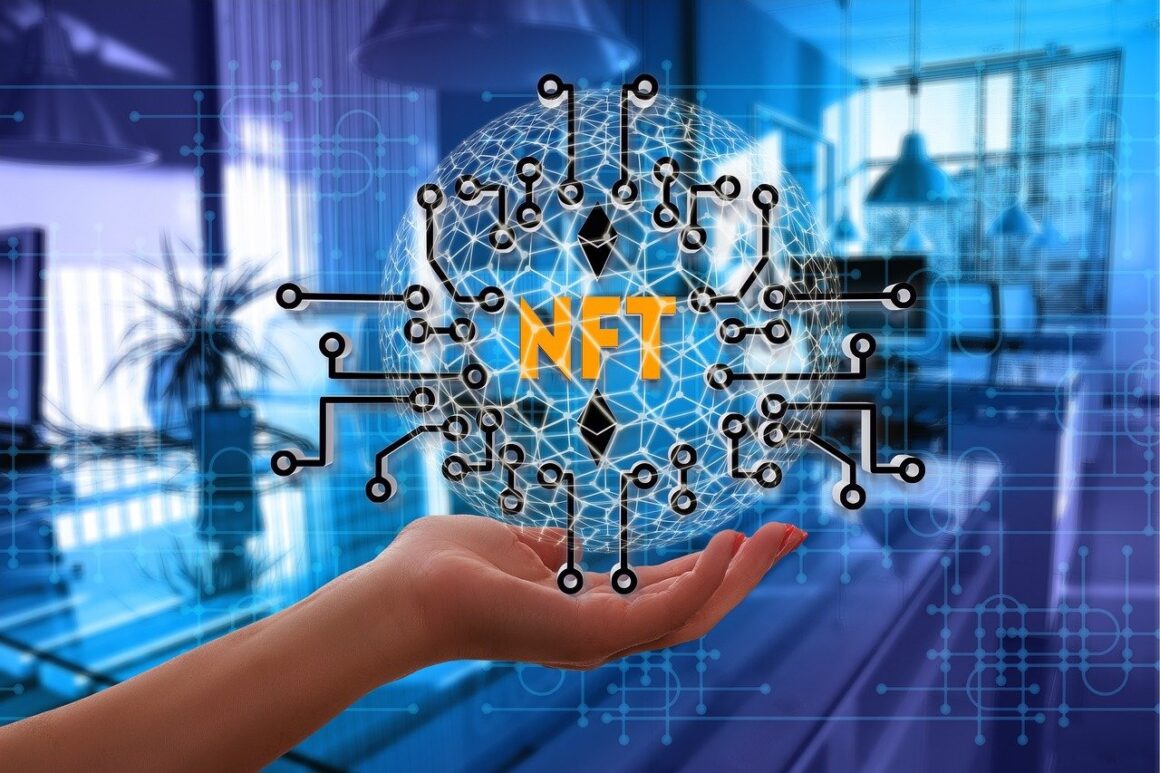
NFTs Turn Wins Into Tradable Assets
NFTs convert victories into portable treasures owned outright. The Block’s examination highlights blockchain gaming NFTs fused with AI, where assets facilitate cross-game utility and innovative earning structures. While gaming NFTs remain largely speculative and consumer-driven, institutional interest in tokenization is surging across broader asset classes.
Houlihan Lokey anticipates tokenized markets scaling dramatically, with projections indicating that tokenized assets could reach $30.1 trillion by 2030 according to Standard Chartered. This growth is driven by technological advancements, increasing regulatory clarity, and rising institutional demand in real-world assets (RWA) like private equity, real estate, and trade finance. Tokenized funds are expected to represent 1% of total assets under management (AUM) by 2030—equating to over $600 billion—backed by major players like BlackRock, Hamilton Lane and Apollo.
What if every win became a permanent, tradable asset in your digital wallet? That’s the promise NFTs bring to gambling. In this context, NFTs often represent exclusive access, such as VIP tiers or limited-edition game skins tradable on secondary markets. Smart contracts enforce scarcity, preventing inflation and maintaining value.
In jurisdictions with intensifying regulatory scrutiny, NFTs offer compliant ways to reward loyalty without traditional bonuses. Case examples from Web3 casinos demonstrate higher retention as users invest emotionally in owned assets. The technology mitigates wash trading risks through on-chain provenance, appealing to cautious investors.
Challenges like environmental impacts from proof-of-work chains prompt shifts to greener alternatives, ensuring sustainability. While institutional adoption currently prioritizes stable RWAs over gaming NFTs, the infrastructure built for tokenized assets will likely accelerate NFT utility in gambling over time. Ultimately, NFTs elevate gambling from chance to collectible strategy, intertwining with APIs for fluid, trusted interactions.
Key Takeaways: APIs Meet Blockchain
The fusion of APIs and blockchain technology creates a new paradigm for online gambling:
- Real-time APIs deliver sub-second odds updates, eliminating latency arbitrage and powering the 53.40% market share captured by live betting.
- Account management APIs with WebSocket connections enable instant balance updates, KYC verification and multi-factor authentication across jurisdictions.
- Risk management systems leverage AI to monitor 1,500+ micro-betting opportunities per event, triggering protective interventions in real time.
- Smart contracts provide immutable, auditable records of every transaction, eliminating concerns about outcome manipulation.
- NFT integration transforms wins into tradable assets, fostering emotional investment in the emerging $314.3 billion blockchain gaming market.
Shape Tomorrow’s Transparent Gambling
APIs and blockchain unite to forge dependable platforms. Symphony Solutions’ integrations underscore real-time data access, while blockchain trust models bolster decentralized assurance. Growth trajectories signal expansive futures, with the blockchain gaming market projected to reach over $314 billion by 2030.
Whether you’re a developer building the next-generation gambling platform or an operator navigating evolving regulations, the convergence of APIs and blockchain offers unprecedented opportunities. Explore integration options with providers like Genius Sports and Sportradar, prioritize user security through comprehensive account APIs and stay ahead of regulatory changes with automated compliance tools.
Could your platform survive without these integrations? The future of transparent, fair online gambling starts with the technology choices made today. Start with accessible tools like The Odds API, experiment with smart contract platforms and build the immersive, trustworthy experiences that players demand in 2026 and beyond.
Important Disclaimer:
While online gambling generates substantial revenue and technological innovation, it carries serious risks. Participation risks monetary losses, debt accumulation and gambling dependency. Digital currencies and NFTs exhibit sharp volatility, and historical performance offers no guarantee of future returns.
Regulatory frameworks vary significantly by jurisdiction. Ensure compliance with local laws before developing or operating gambling platforms. Players should gamble responsibly, set strict budgets and seek professional help if gambling becomes problematic. Resources like the National Council on Problem Gambling (1-800-522-4700) provide confidential support.
This article is for informational and educational purposes only and does not constitute financial, legal, or gambling advice.
About Author

 Demystifying Infrastructure: A Guide to 3D Production Scaling
  Gamifying the Partnership: How Behavioral Mechanics Drive B2B Loyalty
  How Can You Test If A Casino’s RNG Is Truly Fair In 2026?