
Common Connector Failures and How to Prevent Them
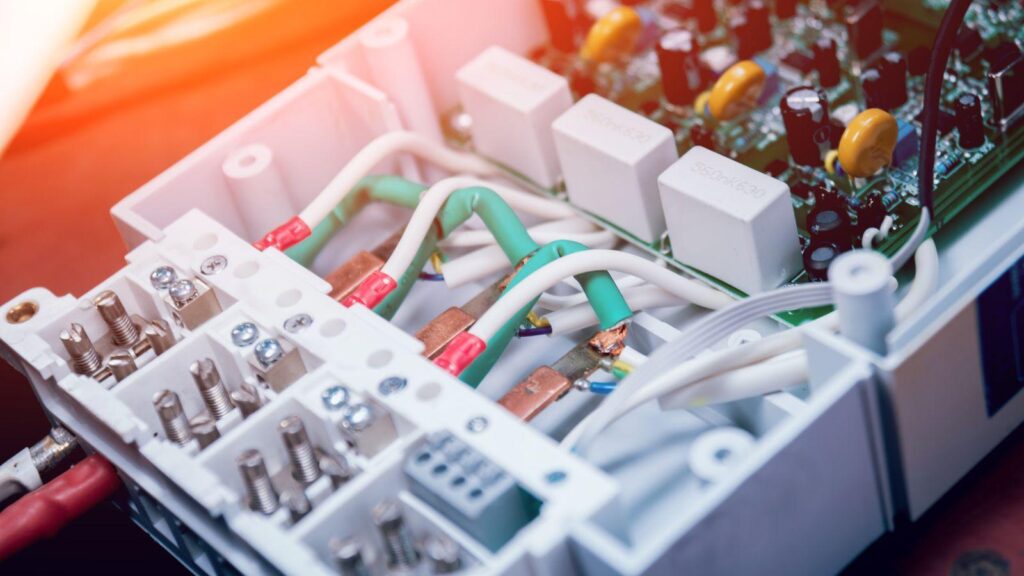
Across power systems, machinery, renewable energy installations, manufacturing plants, and construction sites, electrical and industrial connectors are “unsung heroes”.
Through their joining of electrical terminations, these electromechanical devices create secure paths for power, signal, and data transmission. This, in turn, is integral to keeping everything from assembly lines to site equipment running.
The Importance of Understanding How and Why Connectors Fail
The tendency for connectors to be “out of sight” in many of the places they are used, also means they are frequently out of mind. This can be the case right up until a connector failure brings about expensive downtime or worse, a safety hazard.
So, if you’re an engineer striving to build a more resilient system, it will be crucial for you to understand some of the reasons why connectors fail, as well as how to prevent such issues.
Establishing strong knowledge in common connector failures will greatly help you save time, reduce costs, and optimise compliance with relevant electrical regulations. Engineers in the UK, for instance, must comply with the Electricity at Work Regulations 1989, in addition to being well-educated on pertinent BS EN and IEC standards.
4 Widely Seen Connector Failures, And the Steps to Stop Them Happening
Here are some of the most frequent failure modes seen across electrical and industrial connectors, as can lead to downtime, equipment damage, and safety risks:
1. Corrosion And Oxidation
In parts of the world like the UK that have damp, salty, or polluted environments, there can be a particularly high risk of corrosion leading to connector failure.
Coastal areas, chemical plants, food processing facilities, and outdoor installations expose contacts to moisture, salt, industrial pollutants, and swings in temperature.
As a result, oxidation or sulfidation can develop. This can have the effect of heightening contact resistance and causing overheating. Eventually, open circuits or intermittent faults can occur.
To prevent corrosion and oxidation, select connectors with appropriate Ingress Protection (IP) ratings to block moisture and dust ingress. You should typically be looking for IP67-rated connectors, or higher, for harsh or wet environments.
If the given connectors are to be used in coastal or highly corrosive settings, consider stainless steel or specially coated housings, in addition to implementing regular inspection schedules.
2. Mechanical Wear, Fretting, And Vibration-Induced Failures
Fretting wear can develop on industrial connectors over time. This is due to such factors as repeated mating-and-unmating cycles, thermal expansion and contraction, and vibration from machinery, vehicles, or wind turbines.
Micro-movements between contacts cause plating to gradually wear away. As a consequence, insulating oxide debris is generated, leading to intermittent connections.
Symptoms like visible wear on pins or sockets, and connectors feeling loose, are therefore signs you should be alert to as an engineer.
To prevent mechanical wear, fretting, and vibration-induced failures, opt for connectors that are rated for the expected number of mating cycles, and that come with locking mechanisms or Connector Position Assurance (CPA) features.
The use of keyed, polarised, or scoop-proof designs will further help prevent misalignment and reverse mating. In high-vibration settings, you should be looking to use rugged connectors with spring-loaded contacts or thread-locking compounds.
3. Electrical Overload and Overheating
Excessive heat buildup can be another major problem with connectors. This can happen due to poor terminations, current ratings being exceeded, or the use of underrated connectors.
If overheating does occur, it can have the effect of melting housings, degrading insulation, and accelerating corrosion. Arcing and fire risks can also arise, these being particularly dangerous consequences in industrial environments with continuous high loads.
To prevent electrical overload and overheating, you might decide to de-rate connectors by about 20% to 30% below the manufacturer’s maximum current rating for continuous use. Indeed, you may be especially likely to do this when the connector is to be used in a warm or enclosed space.
It will be crucial, too, to match the connector to the application using standards such as IEC 60309 for industrial plugs and sockets. Never overlook the importance, either, of monitoring operating temperatures and providing adequate ventilation.
4. Poor Installation and Human Error
If a connector fails immediately or very soon after installation, the root cause could well be an issue with the fitting process itself.
The failure may have ultimately been caused by incomplete mating, wrong orientation, or excessive force during assembly. It is also during the installation process that contamination from dirt, flux residue, or foreign matter can easily happen.
To prevent poor installation and human error, make sure whoever will be installing the connector has been trained on correct mating procedures.
Care should also be taken to use polarised and colour-coded connectors where possible, and to follow manufacturer guidelines and relevant standards. An example of the latter is IEC 60512, which specifies test methods, procedures, and measurements for connectors.
When It Comes to Connectors, Knowledge Can Truly Be Power (And Data)
By preparing for and working to prevent the aforementioned common connector failures from coming to pass, engineers and businesses can drive down unplanned outages, enhance safety, and extend the service life of electrical and industrial equipment.
Whether you’re reading this as someone specifying connectors for a new factory installation, maintaining offshore wind assets, or managing a busy manufacturing premises, paying attention to component selection, installation, and ongoing care can make all the difference.
About Author

 Why APK Downloads Are the Standard Route to Betting Apps in African Markets
  How Hi3D Brings AI-Powered 3D Creation to Everyday Life: From Digital Ideas to
Printable
Reality
How Hi3D Brings AI-Powered 3D Creation to Everyday Life: From Digital Ideas to
Printable
Reality  When Will Mainstream iGaming Be Ready for Cryptocurrency?