
How Technology Supports Sustainable Event Management
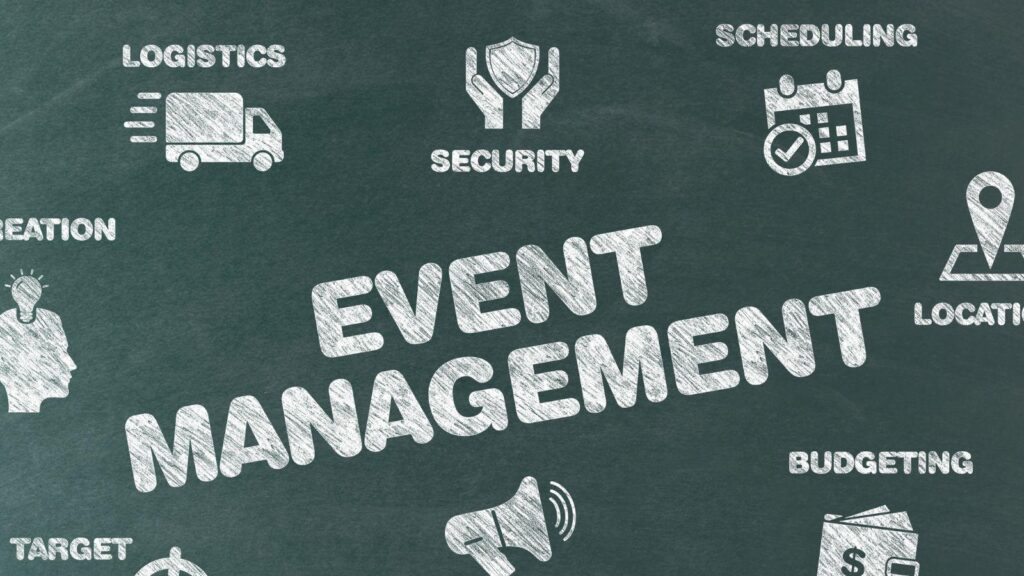
Planning an event used to mean stacks of paper, excess materials, and a lot of guesswork around waste. That picture is changing, and not slowly either. As sustainability becomes a priority for businesses, organizations, and attendees, technology is stepping in to reshape how events are planned and executed. It is no longer just about pulling off a seamless experience. It is about doing so with a lighter footprint.
From small corporate gatherings to large-scale conferences, technology now plays a quiet but powerful role behind the scenes. It helps planners reduce waste, track impact, and make smarter decisions without sacrificing creativity or attendee experience. The shift feels less like a trend and more like a natural evolution of the industry.
Digital Planning Tools That Cut Down Waste
One of the simplest ways technology supports sustainability is by eliminating unnecessary materials early in the planning phase. Cloud-based project management tools allow teams to collaborate without printing schedules, contracts, or layouts. Everything lives in one shared space, easy to update and access in real time.
Digital invitations and ticketing platforms have also replaced traditional paper invites. Instead of printing hundreds or thousands of pieces that may end up discarded, event organizers can manage RSVPs and communications online. It sounds small, but over time, those choices add up. Less paper, less transportation, and fewer resources used overall.
Even event layouts and mockups have gone digital. Virtual walkthroughs and 3D modeling tools allow planners to visualize spaces before anything is physically built. That means fewer last-minute changes and less wasted material.
Smart Registration and Attendee Management
Registration used to involve long lines, printed badges, and a surprising amount of plastic. Now, mobile check-ins and QR code systems streamline the process. Attendees can check in with a quick scan on their phone, cutting down on both wait times and physical waste.
Badge printing has become more intentional too. Some events now use reusable badges or print only when necessary. Others skip badges altogether and rely on digital identification. These adjustments might feel subtle at first glance, but they significantly reduce excess materials.
There is also a deeper benefit. Technology allows organizers to better understand attendance patterns. Knowing how many people actually show up helps reduce over-ordering food, materials, and merchandise.
Energy Efficiency Through Smart Systems
Energy use is one of the biggest environmental factors in event planning, especially for indoor venues. Technology helps here in ways that are not always visible to attendees but make a real difference. Smart lighting systems adjust brightness based on natural light or occupancy. HVAC systems can be programmed to optimize temperature only in areas being used. These systems reduce unnecessary energy consumption without affecting comfort.
Some venues are taking it a step further by integrating energy monitoring tools. Event organizers can track usage during the event and adjust in real time. It is one thing to plan sustainably, but having the ability to measure impact adds a layer of accountability that was often missing in the past.
Virtual and Hybrid Events as a Sustainable Alternative
There is no getting around it. Travel is one of the largest contributors to an event’s carbon footprint. Virtual and hybrid event formats offer a practical way to reduce that impact.
By allowing attendees to join remotely, organizers cut down on flights, hotel stays, and transportation emissions. Not every event can or should be fully virtual, but even offering a hybrid option can make a meaningful difference.
Technology platforms for streaming, networking, and interactive sessions have improved significantly. What once felt like a compromise now feels like a viable, engaging experience. Attendees can participate from anywhere while still feeling connected to the event.
Data Tracking and Real-Time Insights
Sustainability efforts become much more effective when they are measurable. Technology gives event planners access to data that was difficult to capture before.
Tools can track waste output, energy usage, and even attendee behavior. For example, organizers can see which areas of an event are heavily used and which are not. This helps refine future planning decisions, reducing unnecessary setups or resources.
Some platforms even calculate carbon footprints based on event inputs. While not perfect, these estimates provide a starting point for improvement. It shifts sustainability from a vague goal into something more concrete and actionable.
Sustainable Vendor and Supply Chain Coordination
Technology also helps planners make better choices when it comes to vendors. Online platforms and databases allow organizers to source suppliers that align with sustainability goals, whether that means eco-friendly catering, reusable materials, or local sourcing.
Communication tools streamline coordination, reducing the need for in-person meetings or repeated shipments. Vendors can stay aligned with event goals more easily, which helps maintain consistency across all aspects of the event.
For companies offering sustainable event management services, these tools are especially valuable. They make it easier to demonstrate impact to clients and ensure that sustainability is built into every layer of the event, not just treated as an afterthought.
Reducing Food Waste with Predictive Technology
Food waste is a common issue at events, and it often goes unnoticed until the cleanup stage. Technology is starting to address this in practical ways.
Predictive analytics tools use historical data and registration trends to estimate how much food will actually be needed. This helps caterers prepare more accurately, reducing excess without risking shortages.
Some events also use apps to redistribute leftover food to local organizations. While not every event has access to these systems, the concept is gaining traction. It is a simple example of how technology can connect different parts of a community for a better outcome.
Small Shifts, Lasting Impact
Sustainable event management is not built on one big change. It is shaped by dozens of smaller decisions, many of which are now supported by technology. From digital planning tools to energy monitoring systems, each innovation helps reduce waste and improve efficiency in its own way.
What stands out is how seamless these changes have become. Attendees often do not notice the technology working behind the scenes, but they benefit from smoother experiences and more thoughtful design. Event planners, on the other hand, gain tools that make sustainability more achievable without adding unnecessary complexity.
Looking ahead, the role of technology will likely grow even more integrated. As tools become smarter and more accessible, the gap between sustainable intentions and real-world execution continues to shrink. And that, in itself, is a promising direction for the industry.
About Author

 4 Crypto Casinos Where Innovation Goes Beyond Bitcoin
  CSGORoll Promo Code – Best Deposit Bonus for New Players
  The Pragmatic Quantum Horizon: Bridging the Gap Between Noise and Enterprise
Utility
The Pragmatic Quantum Horizon: Bridging the Gap Between Noise and Enterprise
Utility