
Trading in the Age of Digital Exhiliration: How to Avoid Becoming Algorithm Fodder in 2026
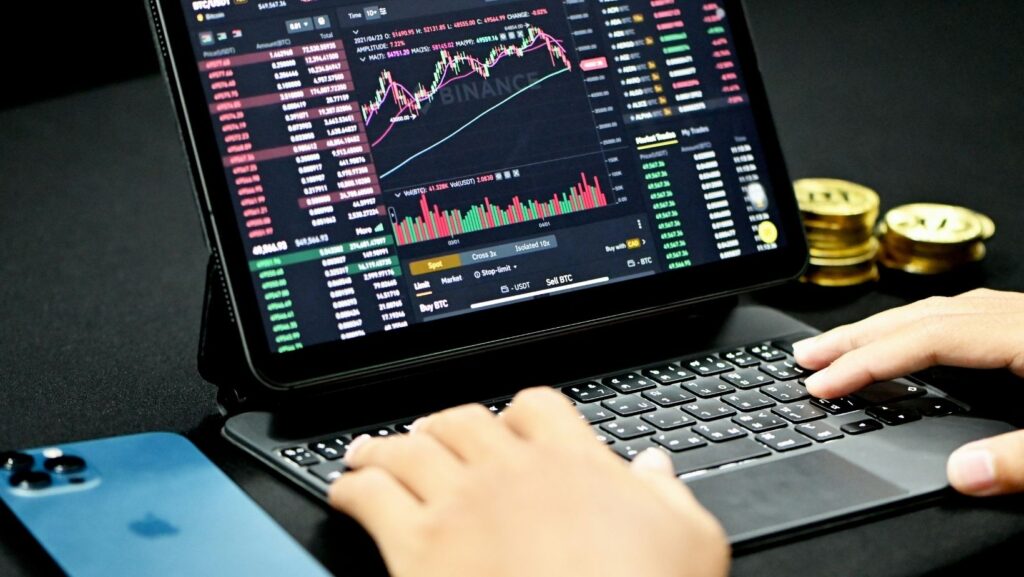
Over the past few years, the lines between investing, trading, and online entertainment have become virtually blurred. While financial market trading was previously associated with level-headed men in suits and complex Bloomberg terminals, today’s trading app interfaces are little different from those of a cutting-edge video game or online casino.
In 2026, the main threat to your deposit is not market volatility, but your own brain, accustomed to a quick dopamine rush. To avoid undesired spontaneity, robust platforms like metatrader 5 for pc are in favor of traders, creating a haven for bold deals and maximum potential.
This article unfolds the reality of cheap thrills while giving valid reasons why you should not become a silent hostage to marketing hooks.
Common Pitfalls and How to Avoid Them
1. Gamification of Markets: The Interface Trap
Modern brokerage platforms have undergone a quiet revolution. Primarily, most of them have incorporated elements like flashy notifications, confetti upon trade completion, flashy leaderboards, and social features.
Is it dangerous enough? When purchasing stocks or cryptocurrency is accompanied by animation, the brain stops perceiving it as a financial risk. Trading turns into entertainment, but unlike a video game, there is no “reset button” for your bank account.
Research shows that gamified interfaces encourage users to overtrade, which is always beneficial for the broker but detrimental to the trader.
2. Algorithms vs. Intuition
In 2026, more than 85% of all trades in the markets are executed by AI agents. While you’re reading this paragraph, thousands of algorithms have analyzed millions of news stories, tweets, and charts, placing orders in milliseconds.
Many beginners enter the market based on their “gut feeling.” However, a trader’s intuition is actually a wealth of experience and insight accumulated over the years.
For a novice, “intuition” means a disguised emotional impulse, and the algorithm doesn’t try to “claw back losses” after a bad attempt.
3. The Psychology of “FOMO” and the TikTok Trading Effect
We live in an era of short attention spans. On social media, success stories dominate the scene: “How I turned $100 into $10,000 in a week on a meme coin.” This creates the illusion of ease.
FOMO (fear of missing out) forces people to enter assets at their peak, when major players (“whales”) are already starting to lock in profits. Consequently, trading in 2026 is a battle for attention.
Those who can tune out the noise and wait weeks for their entry point are taking cash from those who want to make money on the spot.
4. Three Pillars of Stability
If you’ve made up your mind that trading is your passion, move past money issues. Your task is to transform from a player into a risk manager.
- Rationale: Instead of Emotional Blindness
Trading is a game of probabilities, and there are no requirements to give 100 percent of your time. All you need is your winning trades to be larger than your losing ones.
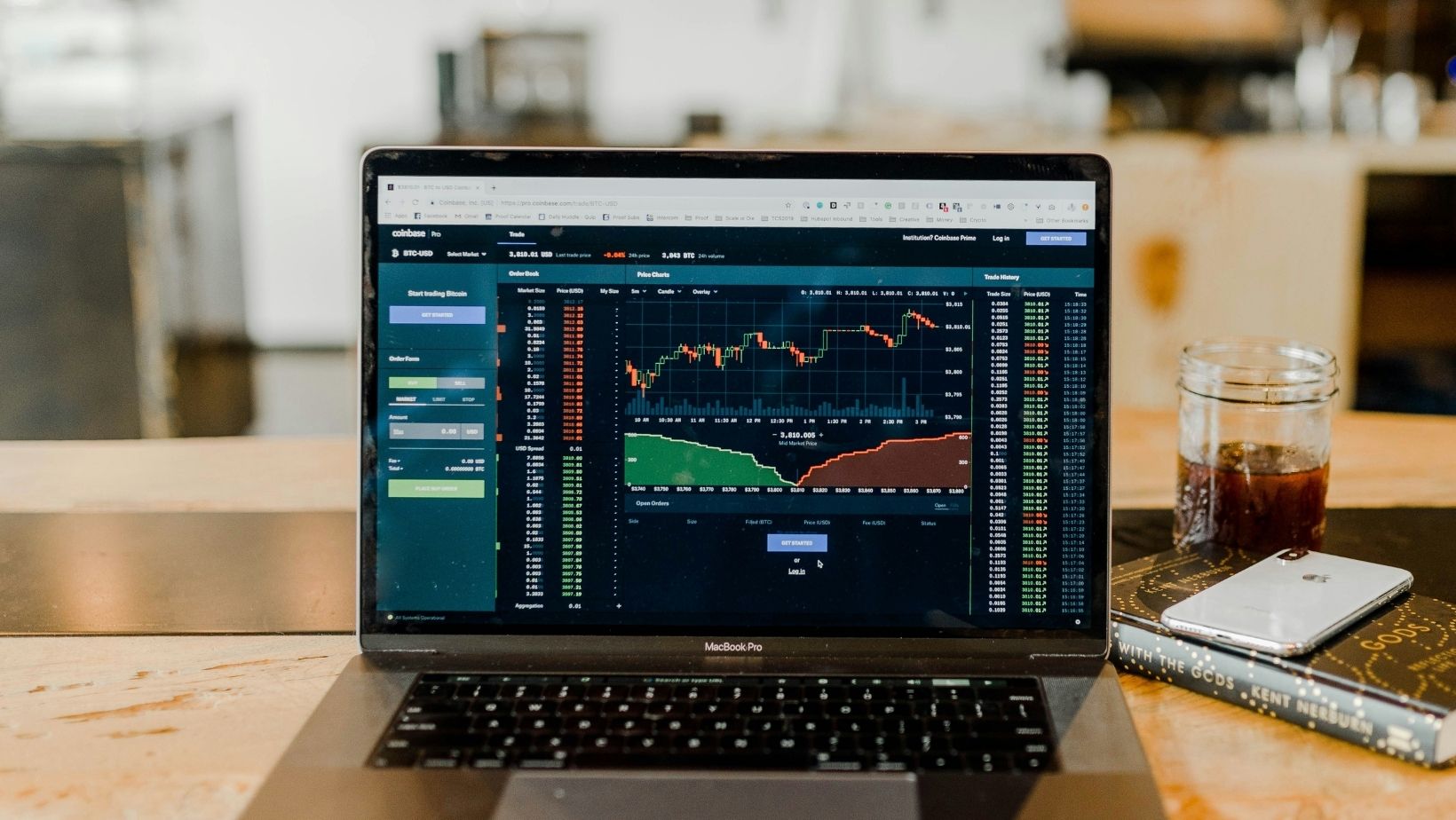
Case: If you lose $10 on a losing trade but make $30 on a winning one, with a 40% accuracy rate, you’ll still be rich. Most people do the opposite: lock in small profits and sit out immense losses in the hope of a reversal.
- Tough Risk Management
Never put more than 1-2% of your deposit at risk on a single trade. This rule seems mundane until you hit a losing streak of five in a row. At 1% risk, you’ll still have 95% of your capital. At 20% risk, you’ll find yourself broke.
- Information Hygiene
In 2026, information is leaking from every crack. Since AI generates thousands of analytical forecasts per second, opt for 2-3 reliable sources and turn a blind eye to the rest. Once news has become public knowledge, it’s already priced in.
5. The Future: Neural Interfaces and Biometrics
We are entering an era where trading terminals are on the edge of monitoring traders’ mental states. There are already applications that block trades if the system detects tilt (emotional shock) through heart rate and pupil dilation.
Symbiosis is the future of trading. A human sets the strategy and ethical framework, and a machine executes it with cold precision. Those who continue to trade “hands on” based on emotion will ultimately become liquidity for those who apply technological advancements.
Bottom Line
There is nothing more honest and brutal than the market itself. Yes, trading knows no bosses, but there is no mercy either. To succeed on a trading platform, you need to stop looking for “secret indicators” and start working on your discipline.
Keep in mind that either in a casino or on the stock exchange, the triumpher is the one who keeps emotions under control and comprehends the rules of the game to the fullest. If you enter this market once, you will not be able to leave empty-handed.
About Author

 What Happens in the 300 Milliseconds Between “Spin” and the Result
  The Shipment That Turns an Ordinary Highway Into a Moving Puzzle
  Payment for Order Flow